 JIHUI SUPPLY CHAIN
When consolidation costs more than it saves
Nine parcels of shoes and clothing, repacked into two cartons. Billed weight fell by 70%. Then we measured the cartons, and a third of the invoice turned out to be air.
A buyer sent us nine parcels. Clothing and shoes, 20.55 kg in total, from three suppliers. Nine loose parcels are expensive to ship: most carriers apply a minimum chargeable weight per piece, 12 kg in this case, so nine pieces bill as 108 kg.
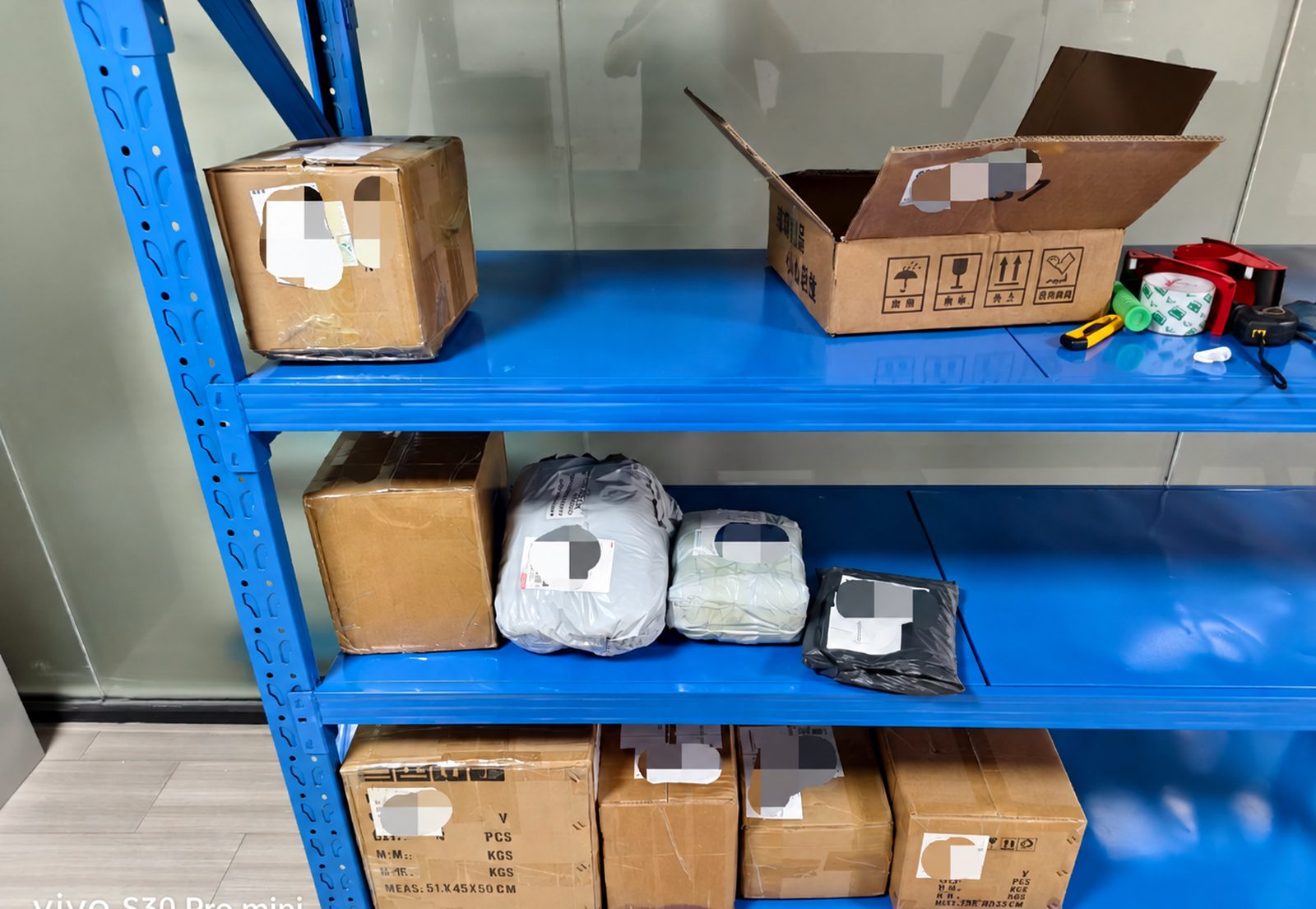
We opened all nine, weighed each one, pressed out the dead air and repacked into two cartons. Billed weight dropped to 32 kg. Seventy per cent less, for the same goods.
Then we measured the cartons, which is the step people skip.
| Carton | Size | Actual | Volumetric | Billed |
|---|---|---|---|---|
| 1 | 60 × 40 × 50 cm | 12.15 kg | 20 kg | 20 kg |
| 2 | 51 × 38 × 37 cm | 8.40 kg | 12 kg | 12 kg |
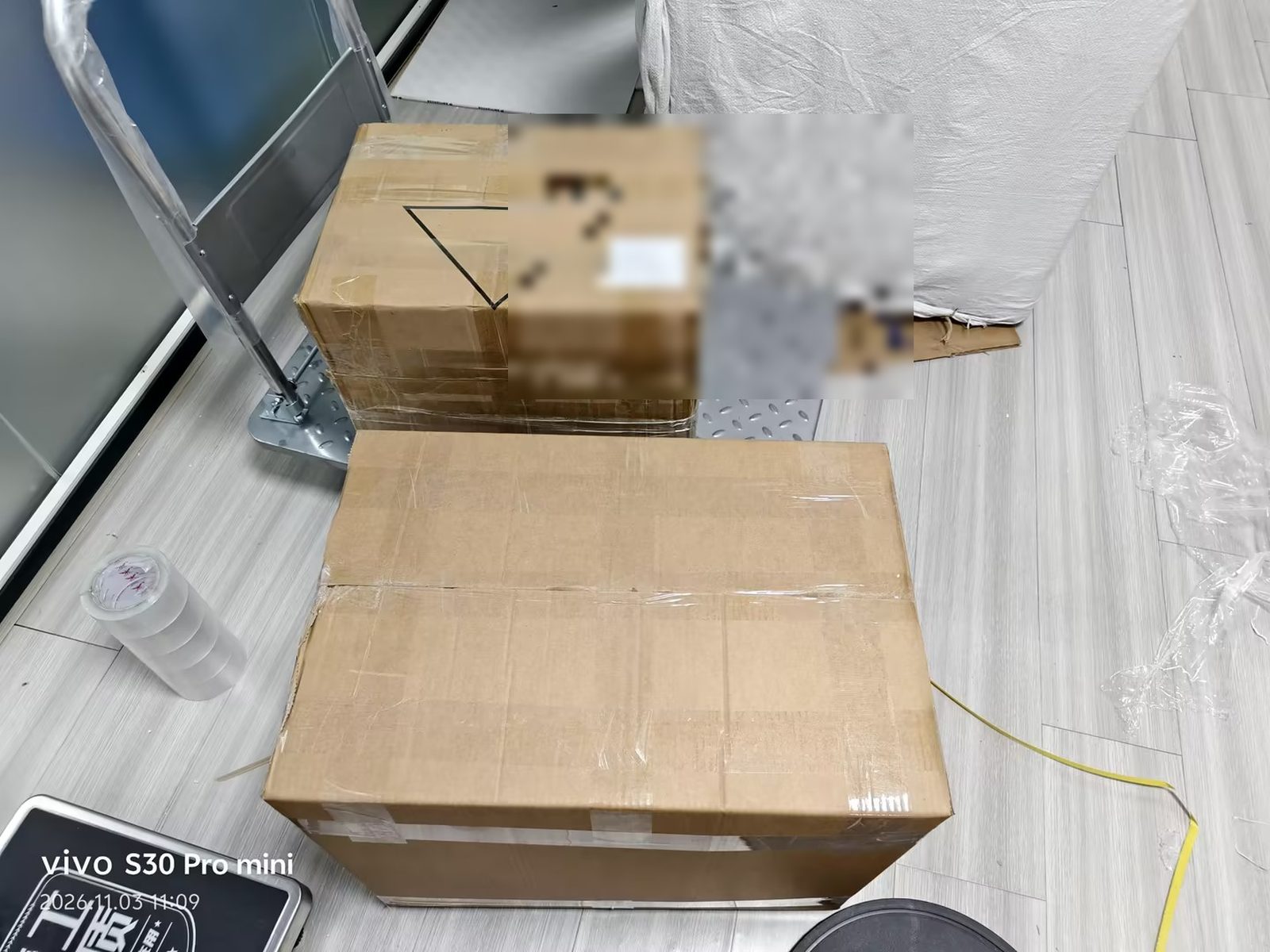
Of the 32 kg we paid for, 11.4 kg was empty space. A third of the invoice was air.
Two rules decide the bill
Minimum chargeable weight per piece. A carrier does not care that a parcel weighs 2 kg. It bills 12 kg, because the fixed handling is the same. One parcel of 2 kg and one parcel of 11 kg cost the same to move.
Volumetric weight. Volume divided by a divisor, usually 6,000 for air and express. A carton 60 × 40 × 50 cm is 120,000 cm³, which bills as 20 kg however light the contents are.
Consolidation attacks the first rule and can trip the second. Fewer pieces means fewer minimum charges. A bigger carton means more volumetric weight. Which one wins is arithmetic, not instinct.
The number to remember
On a 60 × 40 cm footprint, one centimetre of height is 0.4 kg of chargeable weight. Ten centimetres of slack is 4 kg of freight, on cargo that weighs nothing at all.
That carton was 50 cm deep. Had it been 30 cm, it would have billed 12 kg instead of 20, and we would have saved another 8 kg without touching the goods.
When consolidation is not worth doing
- The piece is already near the minimum. One carton at 15 kg bills 15 kg. Combining it saves nothing and risks a bigger box.
- The goods are fragile. Repacking means handling every item twice. A cracked screen costs more than the freight you save.
- The footprint grows. Height is cheap to add and easy to measure. Closing a carton usually widens it, and width multiplies both volume and the space it occupies in a container.
- It pushes past the size limit. Anything over 120 cm on a side is a different job, and a repack that gets you there is a step backwards.
What we do now
Measure before sealing and again after. It takes a tape measure and ten seconds, and it is the only way to know whether a repack helped or quietly cost money. On this shipment it would have saved 8 kg of freight for the same handling charge.
Consolidation is worth doing most of the time. The reason to write this down is the rest of the time, when a carton gets bigger by 20 cm and the saving disappears.
If you are weighing up whether a warehouse is the right one for your cargo, the limits and storage terms are in the FAQ, and the practical constraints of a small warehouse are in About.
Cartons arriving from several suppliers?
Send the carton count, the weight and the ready dates. You get a quote the same day, and photographs when the goods arrive.